Cool as a Cucumber

foodI spent the first one-third of my life taking cucumbers for granted. Whenever I came face-to-face with one, at best, I hoped it would be; A) not bitter, and, B) crunchy. Expectations for flavor were nonexistent. Cucumbers were something that showed up in restaurant salads, and I dutifully ate them without thought.They were neither good nor bad, just…there.

For years I half-heartedly purchased cucumbers to “dress up” green salads at home, or to add yet another element to a crudité basket. Then my friend, Ernie, invited me to dinner at her family’s ranch in Glen Ellen.

Mrs. Raffo, her mom, was a warm and generous hostess whose Sunday suppers rivaled any restaurant in town. The make-shift dining table often extended well into the next room, just to accommodate all the family, friends, and neighbors who routinely dropped in. (And this wasn’t exactly a convenient location for a drive-by. Perched high above the Valley of the Moon, to reach the house required arocky ride up miles of winding dirt road. Believe me, anyone who pretended to “drop in” for a Sunday afternoon visithad an ulterior motive.) While captivating aromas wafted from the kitchen, Ernie’s dad made sure everyone’s glass was filled with local red wine. This Irish girl from the suburbs suddenly longed to be Italian.

I can’t remember the entrée fromthat warm summer evening, but I do remember the huge platter of sliced home-grown cucumbers—both green and yellow (who even knew there was such a thing?)—layered with garden-fresh tomatoes and slivers of sweet, red onion. Was there a drizzle of fruity olive oil on top? Salt and pepper? Who knows? Who cares? It was love at first bite. The combination was heavenly; and these cucumbers actually tasted good. Where had they been all my life? Evidently not in a supermarket’s cold-storage unit.

In those days (when dinosaurs roamed the earth), if you didn’t have a backyard garden, your only chance for truly fresh produce was a country farm stand. But now that California is blessed with a proliferation of farmers’ markets — with a stellar one right here in downtown Danville—procuring a genuine taste of summer couldn’t be easier.

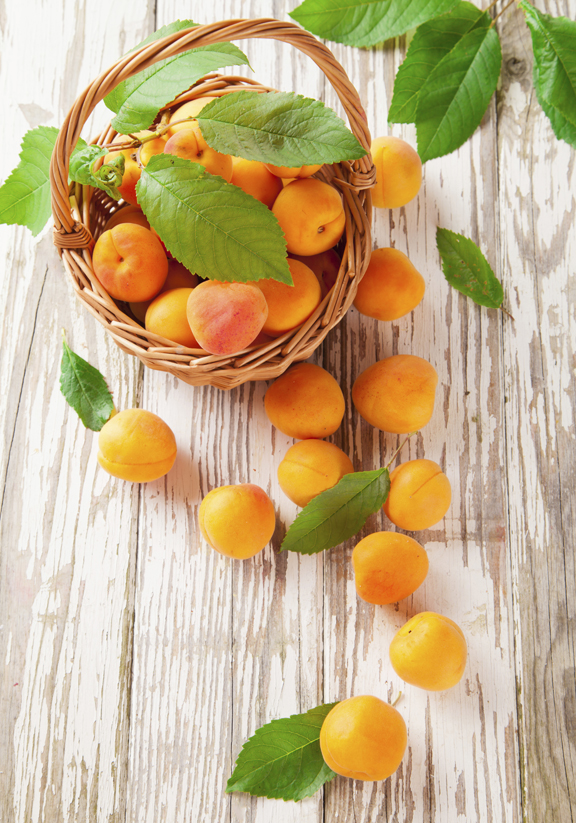
In addition to real cucumbers, this month’s farmers’ market is brimming with vine-ripened tomatoes; sweet corn; summer squash; tender little apricots; juicy berries of all persuasions; aromatic melons; early nectarines, peaches, and plums; and the last of the cherries. And you’d better stock up, in case someone drops in for supper on Sunday.

­­­­­­­­­­­­__________________________________________________________________

The 411 on Cukes

–Varieties found at the farmers’ market include the long, slender Japanese cucumber; round, yellow “lemon” cucumbers (named for their appearance rather than their flavor); the long, ridged Armenian variety; and of course the “slicing” or “common” cucumber most frequently used in salads. Short, bumpy Kirby cucumbers are perfect for pickling, though equally good eaten raw.

–Long, thin English (hothouse) cucumbers have fewer seeds and very thin skin—which is why they are encased in plastic.

–As a general rule, the smaller the cucumber, the smaller the seeds.

–Most large-scale commercial growers favor tough-skinned cucumber varieties that withstand days of abuse during the long ride to supermarket distribution centers. These cucumbers are pumped with water to make them grow faster (and weigh more), and then waxed to hold in the moisture….in case you’re wondering why they are usually such sorry specimens.

–Common cucumbers from the farmers’ market are not waxed, so the skin is perfectly edible. Lemon cucumbers with a rough exterior are the only ones that benefit from peeling.

–Check the ends of a cucumber for any sign of deterioration; then make sure the entire cucumber is firm. If there are any soft spots or it is limp or shriveled, it has lost moisture and is not fresh.(Fresh cucumbers are approximately 96 per cent water.)

–Cucumbers are best eaten within 3 or 4 days. Refrigerate whole, unwashed cucumbers between paper towels in a loose plastic bag. Slice them just before serving.

–Don’t limit cucumbers to salads—they add delicious crunch to sandwiches, too.

–Farm-fresh cucumbers are so tangy-sweet, you’ll want to eat them cold as a snack. A noisy cucumber is a good one!

–Cucumbers can also be sautéed in olive oil or butter with a little garlic or fresh herb, and served warm as an intriguing side dish.

–Give yourself the spa treatment: Add several slices of cucumber to a pitcher of cold water and refrigerate for several hours to blend flavors.Bliss.

_________________________________________________________________

Greek Cucumber-Yogurt Dip

Don’t confuse this with those watery dips that often pass for tzatziki. Thick, good-quality yogurt and farm-fresh cucumber make all the difference.You could take a shortcut—and omit Step 1—by using Greek-style yogurt, but draining plain yogurt overnight ensures proper texture, so be sure to plan ahead. Serve with fresh vegetables for dipping, or wedges of fresh pita bread or pita chips. I also often serve a generous spoonful alongside grilled chicken or fish fillets. It’s cool and creamy and refreshing — the perfect antidote to a warm summer day.

  • 2 cups plain yogurt
  • 1 large cucumber, halved lengthwise, seeded, and coarsely grated
  • 1 tablespoon coarse (kosher) salt
  • 1/2 cup sour cream
  • 2 tablespoons fresh lemon juice
  • 1 1/2 tablespoons finely chopped fresh dill
  • 2 teaspoons finely chopped fresh mint
  • 1 garlic clove, crushed through a press
  • 1/4 teaspoon ground cumin
  • Freshly ground pepper or cayenne

Line a sieve with cheesecloth, an unbleached coffee filter, or a double layer of white paper towels and place over a medium bowl. Spoon the yogurt into the lined sieve, cover with plastic wrap, and let drain in the refrigerator overnight.

  1. In another bowl, toss the cucumber with the salt. Cover and refrigerate for about 3 hours to draw out the liquid.
  2. Transfer the drained yogurt to a clean bowl.  (Discard the liquid, or whey, or save for soup stock or another use.) Stir in the sour cream, lemon juice, dill, mint, garlic, and cumin.
  3. Using your hands, squeeze out as much liquid as possible from the cucumber. Add the cucumber to the herbed yogurt mixture and stir to mix. Season with pepper to taste. Cover and refrigerate for 2 hours (or up to 8 hours) to allow the flavors to develop. Makes about 3 cups.

 The Danville Certified Farmers’ Market, located at Railroad and Prospect, is open every Saturday, rain or shine, from 9 a.m. until 1 p.m. For specific crop information call the Pacific Coast Farmers’ Market Association at 1-800-949-FARM or visit their web site at www.pcfma.com.This market is made possible through the generous support of the Town of Danville. Please show your appreciation by patronizing the many fine shops and restaurants located in downtown Danville. Buy fresh. Buy local. Live well.


Share

Tomato Tips & Strawberry Fields Forever

strawberries

Q. I have two strawberries on separate plants that have small leaf-like structures growing out from the surface of the berries. What causes this and are the berries okay to eat?

A. Strawberries are one of the few berries where the seeds form on the outside of the fruit; hence, they are not considered a true berry. True berries form their seeds inside the fruit. The leaf-like structure is an immature leaf that has germinated. Typically, the seeds on strawberries are sterile but on rare occasions they do sprout. I can’t tell you what triggers this event. All of the strawberry plants available today are propagated from vegetative cuttings or division. But, you can purchase seeds for both alpine and traditional strawberries online. The seeds formed from these variety maybe more incline to sprout on maturing berry. Strawberry leaves are non-toxic so I just rub them off when they appear. Strawberry leaf tea is most commonly used to improve digestion throughout the digestive tract

Q. In April, I planted several Heirloom, Brandywine tomatoes. The plants are producing plenty of flowers, but they’re drying up and falling off before they set fruit. Could you tell me what might be causing this?

A. It is early for the fruit set on Brandywine tomatoes so I wouldn’t be pushing the panic button just yet. It’s not unusual for the first group of flowers to fall off and fail to set fruit. You should expect to see tomatoes by the end of the month or early July. Tomatoes primarily fail to set fruit because of cool nights and or the lack of pollination. Another issue can be excessive nitrogen causing the plants to grow rapidly. I don’t think this is an issue since there was no mention of any excessive growth. Tomatoes like constant nighttime temperatures above fifty-five degrees. The marine influence is a major factor in delaying the formation of tomatoes. The closer you’re to the water the more problematical it can be. Warm days generally translate into warm nights inland so the fruit set occurs as expected. You need to be selective as not all tomato varieties produce well in all of our many microclimates.

Unlike other edibles, fertilization and pollination does not occur simultaneously in tomatoes. They’re two separate events. Once pollination occurs a pollen tube must form to transfer the pollen down to the base of the flower where fertilization occurs and tomatoes form. The cool nights slow the tube formation. After four days, the flowers drop off whether or not fertilization has occurred. The chief pollinator of tomatoes is the wind and not bees. We normally have enough of an afternoon breeze to do the trick; however, poor air circulation can still be a problem. You can aid Mother Nature by gently shaking the plants. The best time to do this is midday. Another option is to spray the open blossom with Blossom Set. It is successfully used on melons, squash, and cucumbers where pollination is a problem.

Buzz Bertolero is Executive Vice President of Navlet’s Garden Centers and a California Certified Nursery Professional. His web address is www.dirtgardener.com and you can send questions by email at dirtgarden@aol.com or to 360 Civic Drive Ste. ‘D’, Pleasant Hill, Calif. 94523 and on Facebook at Facebook.com/Buzz.Bertolero


Share

The Art of Dressing a Window

Alive June furnitureThe best way to start dressing any window is to figure out what treatment options are going to work for the window style. Do you need panels on either side of the window to dress up the look or do you need functioning draperies for privacy?

Hardware options are limitless; decorative metal rods and rings can work for a more contemporary look, while wood rods and rings have a warmer traditional look. Drapery panel pleat styles also vary depending on the treatment; use a grommet top for a contemporary look or a French pleat to achieve the traditional style.

Traversing draperies are used to cover an entire window when needed and stack back to one side or split in the middle when they are open. Usually these draperies start above the window and end at the floor with either a puddle for a more traditional look or about a half inch above the floor for a cleaner look. These draperies can run on a battery operated motor or they can be opened and closed with a manual operation, either a wand or chain mechanism.

For a traditional arched top window, try a fun arched fixed panel drapery with medallions mirroring the curve of the window. This will give the illusion that the arch and window are larger than they really are. Add a swag to the front of a fixed panel or between panels to dress up the design.
A valance or cornice box can be used to hide a combination of treatments on one window. This valance should be proportionate to the window it is covering. The treatments below drapery panels, roman shades, or blinds should not be squished or floating freely behind the valance.

Making sure the treatments work together with each other and that they look appropriate in the room is going to make or break the look of the window treatment. Window treatment designs are endless. Find a style that fits your needs and talk to a designer about different, fun options!

Share